
What Is Pelvic Floor Physical Therapy?
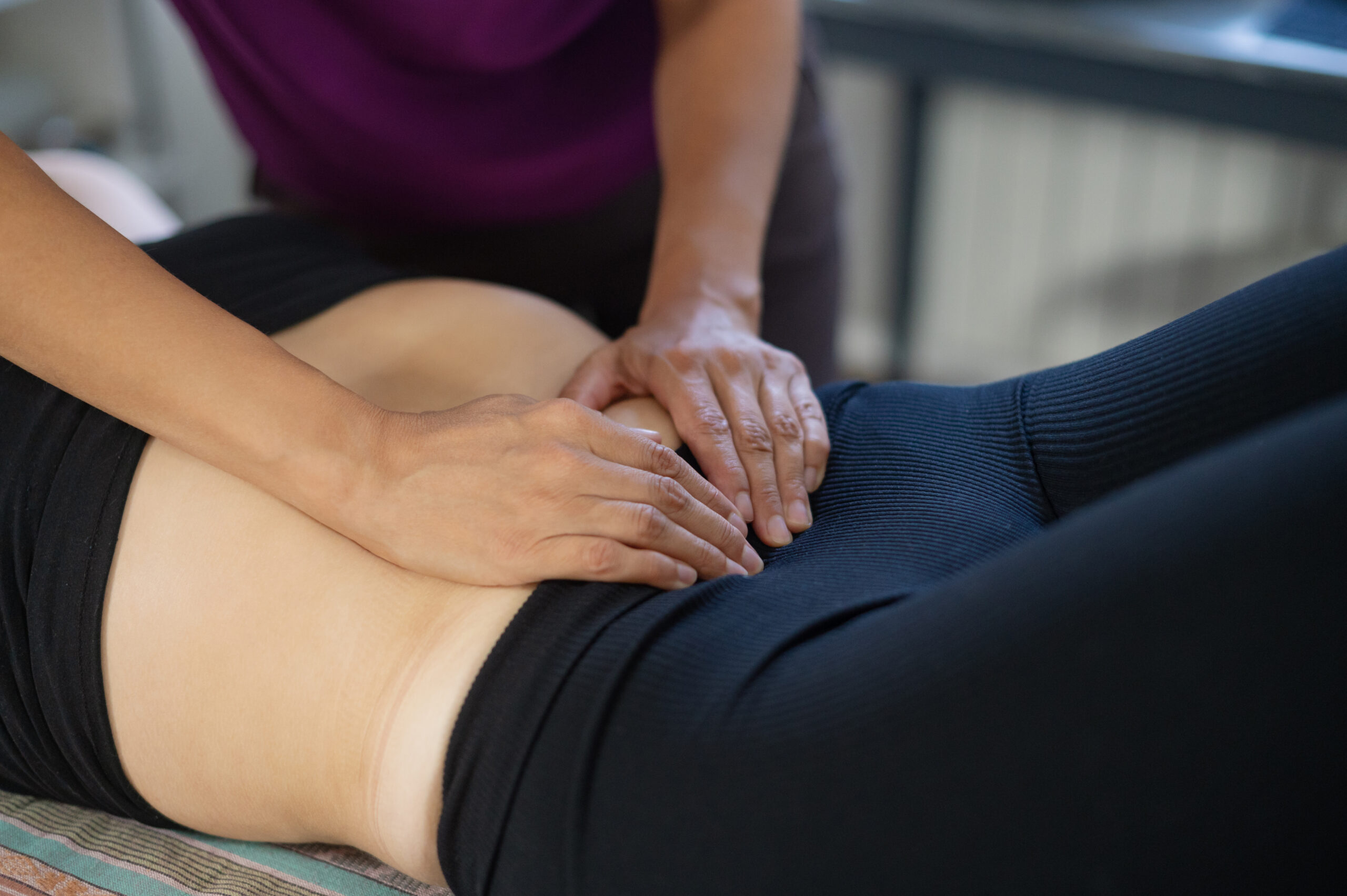
Pelvic floor physical therapy is a specialized form of physical therapy that focuses on evaluating and treating the muscles, ligaments, connective tissues, and nerves of the pelvic floor. These muscles support the bladder, bowel, and reproductive organs while also playing an important role in bladder and bowel control, sexual function, pregnancy, postpartum recovery, and core stability.
Just like any other muscle in the body, the pelvic floor muscles can become weak, tight, uncoordinated, or painful. A pelvic floor physical therapist uses evidence-based techniques to restore proper muscle function, reduce pain, and improve quality of life without surgery or medication whenever possible.
Conditions Treated
- Urinary incontinence (leaking urine)
- Urinary urgency and frequency
- Overactive bladder
- Constipation and bowel dysfunction
- Pelvic pain
- Pain during intercourse
- Endometriosis-related pain
- Pregnancy-related pelvic pain
- Postpartum recovery
- Diastasis recti (abdominal separation)
- Pelvic organ prolapse
- Tailbone pain (coccyx pain)
- Hip and low back pain related to pelvic floor dysfunction
- Pain after pelvic or abdominal surgery
- Core weakness and instability
Benefits of Pelvic Floor Physical Therapy
- Reduces or eliminates urinary leakage
- Improves bladder and bowel control
- Decreases pelvic, hip, and low back pain
- Relieves pain during intimacy
- Improves core strength and stability
- Supports pregnancy and postpartum recovery
- Improves posture and movement patterns
- Helps manage pelvic organ prolapse symptoms
- Restores normal muscle coordination
- Enhances athletic performance and lifting mechanics
- Reduces the need for medications or surgery in many cases
- Improves confidence and overall quality of life
What Happens During the Evaluation?
Your first visit is focused on understanding your symptoms and determining the root cause.
- Discussion of your medical history and symptoms
- Review of bladder and bowel habits
- Assessment of posture and movement
- Breathing pattern evaluation
- Core strength assessment
- Hip and lower back mobility testing
- Pelvic alignment assessment
- Evaluation of pelvic floor muscle strength, coordination, endurance, and relaxation
With your consent, the therapist may perform an internal pelvic floor examination. This allows the therapist to directly assess the muscles for strength, tension, tenderness, coordination, and function. An internal exam is never required and alternative assessment methods are available if you prefer not to have one.